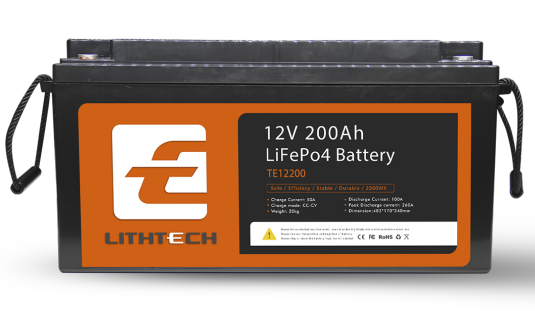
Lithium-ion batteries offer several advantages over traditional lead-acid batteries, particularly in certain applications. Here are some of the key benefits of lithium batteries compared to lead-acid batteries:
Energy density: Lithium batteries have a much higher energy density than lead-acid batteries, which means they can store more energy in a smaller and lighter package. This makes them ideal for applications where weight and space are critical, such as in electric vehicles and portable electronics.
Cycle life: Lithium batteries typically have a longer cycle life than lead-acid batteries, meaning they can be charged and discharged many more times before their performance starts to degrade. This makes them more cost-effective over the long term, especially in applications that require frequent cycling, such as solar energy storage and electric vehicles.
Charge rate: Lithium batteries can be charged at a much faster rate than lead-acid batteries, allowing for rapid recharging and shorter downtime. This is particularly important in applications that require quick turnaround times, such as electric vehicles and backup power systems.
Maintenance: Lithium batteries require minimal maintenance compared to lead-acid batteries, which often need regular maintenance such as topping up with water and equalizing charges. This can lead to lower operational costs and less hassle for users.
Weight: Lithium batteries are significantly lighter than lead-acid batteries, which can be a crucial factor in applications where weight is a concern, such as in aerospace and automotive industries.
Self-discharge: Lithium batteries have a lower self-discharge rate than lead-acid batteries, meaning they can hold their charge for longer periods without needing to be recharged. This can be advantageous in applications where the batteries may sit idle for extended periods.
Environmental impact: Lithium batteries are generally considered to have a lower environmental impact than lead-acid batteries, as they contain fewer toxic metals and can be recycled more efficiently.
While lithium batteries offer these advantages, it’s important to note that they also come with their own set of challenges, including higher cost and potential safety concerns related to thermal runaway and fire risk. As technology continues to evolve, these challenges are being addressed, making lithium batteries an increasingly attractive option for a wide range of applications.